
Platform Comparison for Privacy-Conscious OnlyFans Users
OnlyFans stands as the largest subscription platform for adult content, yet privacy-conscious users increasingly question whether its infrastructure matches their anonymity requirements. BestOnlyFans regularly evaluates platform security practices as part of its ranking methodology, helping subscribers understand the trade-offs between content access and data protection. This comparison examines OnlyFans alongside Fansly, Fanvue, and emerging alternatives through specific privacy lenses: payment discretion, identity verification, data handling, and technical safeguards.
Subscriber privacy concerns typically center on three risks: financial records revealing platform usage, identity verification creating permanent data trails, and account closure failing to erase historical activity. Each platform addresses these differently, with meaningful variations in policy and implementation. Understanding these distinctions enables informed selection aligned with individual threat models.

Payment Descriptor Practices Across Platforms
Bank statement descriptors represent the most visible privacy exposure for most subscribers. OnlyFans processes payments through Fenix International Limited, with statements typically showing “Fenix Internet” or “OnlyFans.com” alongside transaction amounts. This direct identification concerns users who share financial accounts or face professional scrutiny of personal records.
Alternative platforms employ varying strategies. Fansly uses “Fansly” or parent company descriptors, offering marginally less explicit labeling. Fanvue similarly displays its brand name. Some smaller platforms utilize more generic payment processor names, though this often indicates reliance on third-party services rather than deliberate privacy design.
- OnlyFans: Direct platform naming on statements with consistent formatting
- Fansly: Brand-visible descriptors, occasionally with parent company alternatives
- Fanvue: Clear platform identification, limited obfuscation options
- Prepaid cards: Available workaround requiring separate purchase and loading steps
- Virtual cards: Privacy.com and similar services creating merchant-specific card numbers
Virtual card services represent the most reliable descriptor anonymization, creating buffer layers between banking records and platform charges. These require additional setup but eliminate direct platform naming from primary financial statements entirely. Subscriber identity verification varies substantially across platforms, affecting anonymity preservation. OnlyFans requires government-issued photo ID and facial verification for creators, but subscribers face lighter requirements—typically credit card validation through $0.10 authorization holds rather than identity documents.
Account Verification Requirements for Subscribers
This asymmetry matters: subscribers may maintain relative anonymity while creators cannot. However, payment methods themselves create identification trails. Card verification holds link accounts to real-world identities even without explicit platform ID submission.
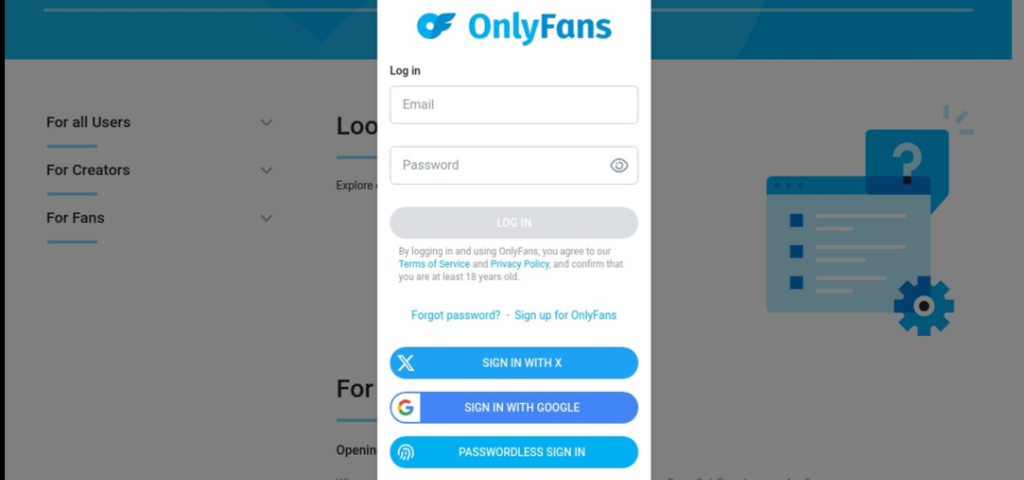
- OnlyFans subscriber signup: Email, password, payment method—no ID required for basic access
- OnlyFans creator verification: Government ID, selfie with ID, facial recognition comparison
- Fansly subscriber requirements: Similar payment-based validation, optional enhanced verification
- Fanvue subscriber requirements: Credit card minimum, with cryptocurrency options reducing identification
- Platform comparison: All major services require payment instrument linkage; pure anonymity requires prepaid or crypto pathways
Geographic restrictions occasionally trigger additional verification. Users accessing from certain regions may encounter enhanced requirements regardless of platform, reflecting compliance obligations rather than policy choices.
Data Retention and Deletion Policies
What happens to subscriber data after account closure reveals platform privacy commitments. OnlyFans states retention of transaction records for legal and tax compliance periods—typically seven years—while deleting content access logs and browsing history within shorter timeframes. Actual implementation details remain opaque.
European users benefit from GDPR-mandated deletion rights, though platforms may retain minimal necessary records. Jurisdiction significantly shapes practical deletion outcomes, with EU-based users experiencing stronger protections than those in regions lacking comprehensive privacy frameworks.
| Platform | Retention Period | Deletion Process |
|---|---|---|
| OnlyFans | Transaction records: 7 years; Activity logs: 1-3 years | Account closure triggers automated deletion sequence; manual data requests via support |
| Fansly | Financial data: 5-7 years; Usage data: 2 years | Self-service closure with 30-day grace period; email confirmation required |
| Fanvue | Payment records: 6 years minimum; Profile data: 90 days post-closure | Immediate access termination; background retention for compliance |
| JustForFans | Similar tax-driven retention; shorter analytics retention | Manual deletion requests processed within 30 days |
Practical deletion effectiveness remains difficult to verify independently. Platforms retain operational flexibility to preserve data subsets for undefined “security” or “legal” purposes, creating persistent uncertainty about complete erasure.
Geographic Data Jurisdiction Considerations
Where platform servers store subscriber data determines which privacy laws apply and which government entities may access records. OnlyFans operates primarily from UK and US infrastructure, subject to British data protection standards and American surveillance frameworks simultaneously.
This dual jurisdiction creates complexity. UK GDPR provides deletion and access rights, while US CLOUD Act permits government data demands regardless of physical server location. Subscribers cannot practically opt into single-jurisdiction handling.
| Platform | Primary Jurisdiction | Applicable Regulations |
|---|---|---|
| OnlyFans | United Kingdom (parent company) | UK GDPR, Data Protection Act 2018, US CLOUD Act exposure |
| Fansly | United States (Delaware incorporation) | US state privacy laws (CCPA, etc.), limited federal protection |
| Fanvue | United Kingdom | UK GDPR with similar dual-jurisdiction complications |
| MYM.fans | France/European Union | GDPR standard, stronger regulatory enforcement |
EU-headquartered alternatives like MYM.fans offer more predictable regulatory environments, though content availability and creator diversity differ substantially from market leaders. BestOnlyFans methodology incorporates these jurisdictional factors into platform reliability assessments.

Creator Distribution on Privacy-Focused Alternatives
Privacy enhancements matter little if desired content resides elsewhere. BestOnlyFans maintains cross-platform analytics tracking creator migration and duplication patterns. Current data indicates limited creator overlap: approximately 15% of established OnlyFans creators maintain parallel presence on Fansly, with smaller percentages on Fanvue and specialized alternatives.
This fragmentation forces privacy-conscious subscribers into platform multiplicity or content sacrifice. The top onlyfan creator rankings demonstrate concentration effects—highest-earning creators predominantly maintain OnlyFans as primary platform, with alternatives serving supplementary or specialized audiences.
- OnlyFans creator count: Estimated 2 million+ active profiles, largest inventory
- Fansly creator count: Estimated 300,000+ profiles, growth following 2021 policy uncertainty
- Creator duplication rate: 15% maintain active presence on multiple platforms simultaneously
- Exclusive alternatives: Smaller platforms attracting niche creators with specific content focus
- Quality distribution: Top-tier creators remain platform-concentrated despite privacy concerns
Platform selection thus involves privacy-content trade-offs without clean solutions. Subscribers prioritizing anonymity may find adequate alternatives for general interest, while specific creator following necessitates accepting primary platform privacy limitations.
Technical Privacy Features Compared
Infrastructure security varies meaningfully across platforms. OnlyFans implements TLS encryption, optional two-factor authentication, and session management with timeout controls. These measures protect against account compromise but do not address platform-side data exposure.
IP logging practices differ substantially. OnlyFans retains connection logs including IP addresses, enabling geographic correlation and account linking. Some alternatives implement shorter retention periods or reduced granularity, though comprehensive logging remains standard for abuse prevention.

- Two-factor authentication: Available on OnlyFans, Fansly, Fanvue; SMS and app-based options
- Session management: Automatic timeout controls, device authorization lists
- IP logging: Standard across platforms, retention periods varying 30-90 days typically
- VPN compatibility: Technically functional but occasionally triggering security flags
- Encryption: Transport-layer standard; end-to-end messaging not implemented
End-to-end encryption remains absent from all major creator platforms. Message content resides decryptable by platform operators, creating insider threat exposure and government access vulnerability.
Subscriber Experience on Smaller Platforms
Privacy-focused alternatives sacrifice usability for discretion. Fansly and Fanvue exhibit slower load times, less refined search functionality, and reduced mobile optimization compared to OnlyFans infrastructure investment. Support responsiveness varies inversely with platform scale—smaller services offer personalized assistance but limited availability windows.
Payment friction increases on alternatives. Fewer processor relationships mean higher decline rates and limited payment method acceptance. Cryptocurrency options, where available, introduce volatility and technical complexity alienating mainstream users.

Practical privacy tip: Maintain separate email addresses for each platform, utilizing password managers with unique credentials. This compartmentalization limits cross-platform correlation if any single service experiences data breach.
Making a Platform Choice Based on Threat Model
Appropriate platform selection requires honest threat assessment. Casual privacy preferences differ from professional risk scenarios requiring systematic anonymity. Matching platform capabilities to actual exposure levels avoids unnecessary compromise or excessive precaution.
- Minimal concern: OnlyFans adequate with standard payment method
- Shared financial visibility: Virtual cards or prepaid solutions on any platform
- Identity separation required: Fanvue cryptocurrency options or specialized alternatives
- Comprehensive anonymity: Platform multiplicity with compartmentalized identities, accepting content limitations
- Legal/regulatory risk: Legal consultation advised; no platform provides protection against unlawful activity
the ranking site evaluation methodology weights privacy factors alongside content quality and creator reliability. Subscribers benefit from understanding that platform switching involves multifaceted trade-offs rather than simple privacy upgrades.

FAQ
Can I use OnlyFans completely anonymously?
Complete anonymity is not achievable on OnlyFans for typical users. Payment methods create identity linkages through financial institutions, and platform access requires valid payment instruments. Pseudonymous browsing—separate email, VPN usage, compartmentalized devices—reduces correlation risk but does not eliminate it. Cryptocurrency subscriptions, where accepted on alternatives, narrow the identification window but still require account registration details.
Which platform shows the most discreet payment descriptor?
No major platform offers genuinely opaque descriptors. OnlyFans displays recognizable branding; Fansly and Fanvue similarly identify themselves. The most effective descriptor control comes from payment intermediaries rather than platform choices. Virtual card services like Privacy.com create merchant-specific card numbers with customizable billing labels, inserting abstraction layers between bank records and platform identities. Prepaid gift cards provide another buffer, though with added purchase friction and acceptance limitations.
Do smaller platforms delete my data faster when I close my account?
Deletion speed correlates weakly with platform size. Fanvue advertises faster profile data removal than OnlyFans, but financial records face similar regulatory retention requirements across services. GDPR-mandated deletion timelines apply equally to large and small EU-subject platforms. Practical differences matter more for active content—smaller platforms may lack comprehensive backup systems, potentially enabling faster complete erasure, though this cuts both ways for data security.
Will using a VPN get my OnlyFans account suspended?
VPN usage alone does not trigger automatic suspension, but may activate security review protocols. OnlyFans monitors for geographically inconsistent access patterns as fraud prevention, potentially requiring additional verification when login locations change abruptly. Consistent VPN usage from stable endpoints typically avoids flags; rapidly switching exit nodes or connecting through high-risk IP ranges may prompt temporary restrictions. Account recovery from security holds requires identity verification, paradoxically exposing more personal data than VPN usage concealed.
